A technique that measures electrical activity in the brain using electrodes placed on the scalp. It provides quantitative data on brain wave patterns, helping in the assessment of various neurological conditions and guiding treatment protocols. qEEG (quantitative electroencephalography) is an advanced method of analyzing brain electrical activity. It starts with a traditional EEG recording—measuring the brain’s electrical signals through sensors on the scalp—but then applies mathematical and statistical techniques to quantify and map this activity.
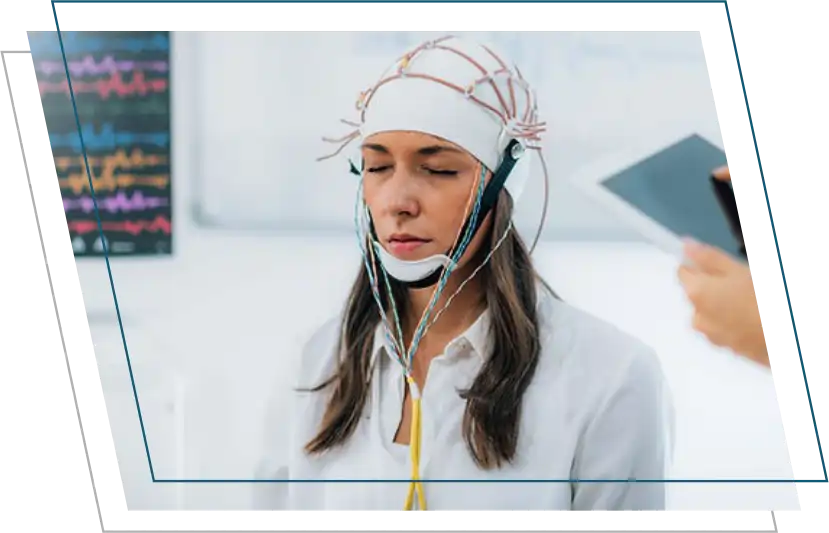

qEEG is not a standalone diagnostic tool; it is usually combined with clinical evaluation, psychological testing, or neurological assessment.
Non-invasive brain stimulation techniques.
tDCS delivers a constant low electrical current to the scalp to modulate neuronal activity, while tACS uses alternating currents to synchronize brain oscillations, potentially enhancing cognitive functions and treating various disorders.
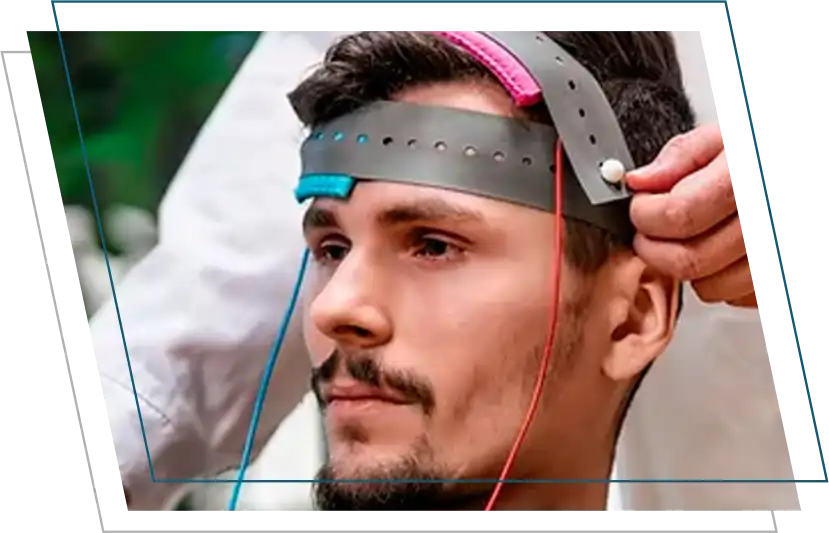
tDCS (transcranial Direct Current Stimulation) and tACS (transcranial Alternating Current Stimulation) are non-invasive brain stimulation techniques that use weak electrical currents applied through electrodes on the scalp to modulate brain activity.
The effects are increase neuronal excitability or decrease neuronal excitability. The common uses are enhancing attention, memory, or learning, supporting treatment for depression and anxiety, motor rehabilitation after stroke, pain modulation and a lot of others applications with the individual needs.
We also works with tACS, that uses a low-intensity alternating current that oscillates at specific frequencies (e.g., alpha, theta, gamma).
The tACS effects are entrain or synchronize brain rhythms, modulates neural networks based on targeted frequency, more focused on changing brain oscillations than tDCS.
The common uses are enhancing cognitive performance, studying or modulating brain networks, investigating sleep, attention, and perception processes, potential support for mood disorders.
Is a non invasive brain stimulation that stimulates the vagus nerve through the skin of the ear using gentle electrical pulses.Main effects are regulates stress and autonomic balance, supports mood and emotional regulation, influences inflammation and heart-rate variability. Great for anxiety, stress, mood regulation, relaxation and autonomic nervous system balance. tVNS gently stimulates parts of the ear connected to the vagus nerve, helping regulate stress, mood, and brain activity in a natural, non-invasive way.
• tVNS helps regulate the body’s stress and emotional systems through gentle ear stimulation.
• tDCS helps specific brain areas become more or less active, supporting learning and cognitive improvement.
• tACS works by syncing brain waves to certain rhythms, helping improve cognitive functions and brain network coordination.
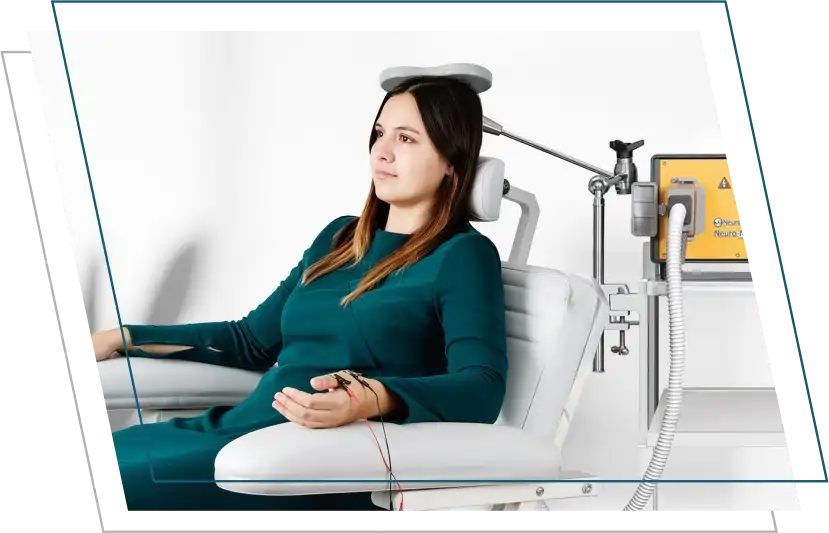
A non-invasive procedure that uses magnetic fields to stimulate nerve cells in the brain. It is often used to treat depression and other neurological conditions by inducing changes in brain activity.
This refers to a portable EEG device designed to be worn on the ear, which can monitor brain activity in a more discreet and convenient manner. It is useful for continuous monitoring and mobile applications.
A therapeutic technique that uses real-time displays of brain activity to teach self-regulation of brain function. Patients learn to alter their brain activity patterns, which can improve conditions like ADHD, anxiety, and depression.
A structured program that combines various neuroscience techniques to enhance cognitive functions, emotional regulation, and mental performance. It often includes methods like neurofeedback and cognitive exercises tailored to individual needs.
A technique that teaches individuals to control physiological functions by providing real-time feedback on heart rate variability. It can help improve relaxation, stress management, and overall emotional well-being.
A form of brain imaging that measures changes in blood flow and oxygenation in the brain. It is often used in neurofeedback to assess brain function and help with conditions like migraines and ADHD.
A therapy that uses specific wavelengths of light to promote healing, reduce inflammation, and enhance cellular function. It is being explored for various applications, including pain management and cognitive enhancement.
Photobiomodulation (PBM) is a therapeutic technique that uses specific wavelengths of light, typically in the red or near-infrared spectrum, to promote healing and reduce inflammation in tissues. This non-invasive approach works by stimulating cellular processes through light absorption by chromophores in cells, leading to various biological responses.
One of the primary mechanisms of PBM is its ability to enhance mitochondrial function. The light energy absorbed by the cells can increase adenosine triphosphate (ATP) production, which is essential for energy transfer within cells. This boost in energy can accelerate tissue repair, reduce pain, and promote overall healing.
PBM has been studied for its applications in a wide range of conditions, including musculoskeletal injuries, wound healing, and skin conditions like acne and psoriasis. Additionally, it has shown promise in managing chronic pain and neurological disorders, as it can help reduce inflammation and promote tissue regeneration.
The treatment is generally considered safe, with minimal side effects, making it an attractive option for both clinical and home use. Devices used for PBM vary in size and form, from handheld units to larger therapeutic lasers.
Overall, photobiomodulation represents a fascinating intersection of light therapy and medicine, offering potential benefits for a variety of health issues while emphasizing the body’s natural healing processes.
This method illuminates the moving object with quick pulses of light, creating an optical effect that makes the motion appear slower or even static.
Strobe glasses are devices that temporarily darken the lenses, alternating between transparent and opaque states through flashing lights.
This technology is applied in visual and motor training, challenging the brain to process information more efficiently, which improves reaction time, accuracy, stability, and balance. They use liquid crystals to switch the lenses between clear and dark. Similar to the strobe effect, it intentionally reduces the available visual information.
Originally developed to train athletes, such as goalkeepers, to react more accurately to a ball, enhancing reaction speed, movement anticipation, and precision. In rehabilitation, it helps improve balance, stability, and coordination, especially in patients with Parkinson’s disease.
It strengthens the connections between the eyes, the brain, and the body, making them highly recommended for “central-peripheral” visual problems.
They are not just glasses: they provide constant training for the occipital lobe, creating neural adaptations and neuroplasticity to visual input.
As a form of third-wave therapy, we incorporate a range of tools grounded in neuroscience-based methods to support more advanced treatment and clinical practice. The best therapeutic outcomes occur when these technologies and techniques are applied together. A typical therapy session may include:
“Third-generation therapies” (also called third-wave behavioral therapies) are modern psychological treatments that evolved from traditional behavior therapy (first wave) and cognitive therapy/CBT (second wave).
They place less emphasis on changing the content of thoughts and more on processes such as mindfulness, acceptance, context, and values-based action.
• Emphasis on mindfulness and acceptance, not just thought change
• Focus on context, emotion regulation, and behavioral patterns
• Values and meaning guide action
• Integration of Eastern contemplative practices and modern behavioral science
• A shift from “fixing thoughts” to changing one’s relationship to thoughts and feelings
Core idea: People suffer when they try to avoid or control unwanted thoughts and emotions.
Goal: Build psychological flexibility—the ability to stay present, accept internal experiences, and take action guided by personal values.
Originally developed for chronic emotion regulation difficulties and borderline personality disorder. The Core Idea is” emotional suffering improves through building skills and integrating opposites”—the “dialectic” of acceptance and change.
DBT combines acceptance-based strategies with behavioral problem-solving.
Developed to prevent relapse in major depression. Mindfulness meditation helps individuals notice early signs of depressive thinking patterns and disengage from them. Stress is reduced by cultivating nonjudgmental awareness of the present moment. Often used for chronic pain, stress, and general well-being.
Schema Therapy is an integrative, evidence-based psychotherapy created by Jeffrey Young to help people with long-standing emotional and relational difficulties—especially those who don’t fully respond to standard CBT. It is widely used for personality disorders, chronic depression/anxiety, trauma-related issues, and recurrent life patterns that feel “stuck.” Schema Therapy combines elements of Cognitive Behavioral Therapy (CBT), Attachment theory, Psychodynamic therapy, Gestalt / experiential techniques, Emotion-focused approaches. Schemas are deep, self-defeating life patterns—core emotional themes formed in childhood or adolescence.
They affect how you see yourself, how you interpret others’ behavior, what you expect from relationships and also how you cope with stress. They are persistent and often triggered in adult life.
We also work with Family Systems Theory and psychoeducation, aiming to support families in adapting to life changes or new circumstances, such as receiving a diagnosis of a neurodegenerative or psychiatric disorder:
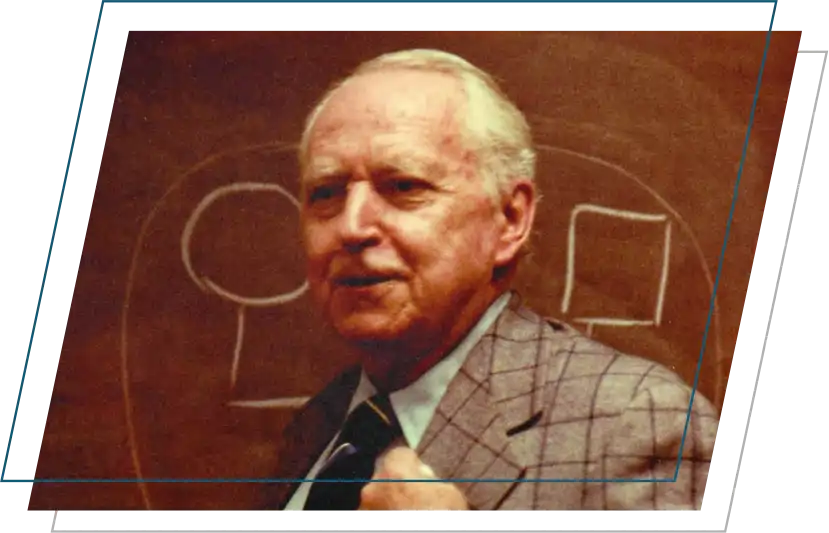
Family Systems Theory is a psychological and therapeutic framework that views the family as an interconnected emotional unit, rather than a collection of individuals acting separately. It emphasizes that a person’s behavior, emotions, and problems cannot be fully understood in isolation—they must be seen within the context of family relationships, interaction patterns, and generational influences.
Developed primarily by Murray Bowen, the theory is foundational for many forms of couples and family therapy.
Core Principles of Family Systems Theory:
Families operate as systems, meaning:
• Each member affects the others
• Changes in one part of the system create changes everywhere
• Problems often reflect systemic dynamics, not a single “problem person”
Differentiation refers to:
• The ability to remain emotionally connected to family
• While still maintaining your own identity, values, and thinking
Low differentiation often shows up as:
• Taking things personally
• Feeling responsible for others’ feelings
• Difficulty staying calm under stress
• Being overly reactive or emotionally fused with family members
High differentiation = better emotional regulation and healthier boundaries.
When anxiety rises between two people, a third person is often pulled in to reduce tension. Triangles stabilize relationships but can create chronic stress patterns.
Examples:
• A child becomes involved in parents’ conflict
• A friend mediates between fighting partners
Parents may transfer their own emotional issues onto a child.
Example:
• An anxious parent overly protects a child, causing the child to become anxious too.
Family patterns—including anxiety, beliefs, roles, and coping styles—are passed down through generations.
This explains recurring patterns like:
• Similar relationship issues across generations
• Repeated substance use or emotional reactivity
• Reproduced family roles (e.g., caretaker, black sheep)
Some people deal with unresolved family issues by cutting off or distancing themselves emotionally or physically. Cutoff reduces contact but does not resolve underlying patterns.
However, the unresolved anxiety usually reappears in:
• New relationships
• Parenting
• Work stress
Birth order influences personality roles and patterns in relationships. These patterns often play out in adult relationships as well.
Bowen drew on birth-order research:
• Oldest children may become leaders or caretakers
• Middle children may negotiate or adapt
• Youngest children may become more dependent or rebellious
Families don’t exist in isolation—stress in society affects family functioning. High societal stress can increase anxiety in families.
Examples:
• Financial pressure
• Social conflict
• Cultural expectations
We also offers counselling and coaching sessions services for adults and teenagers, provided by professionals trained to support teenagers, individuals, couples and families.
These services are developed and supervised by Viviane Dasilva, using a scientific methodology that prepares pratictioners to promote well-being in daily life. The support structure includes:

– Teen Coach ADHD
– Teen Coach Metacognition
– Teen Coach Vocational
– Teen Coach Life Skills
– Counsellor Groups
– Counsellour Family
– Individual Counsellor
– Couple Counsellor
Counsellors heal and support mental well-being, while coaches guide and empower goal achievement and growth.
See about “Courses” and “Trainings” to become ours Certified Counsellor ou Coach